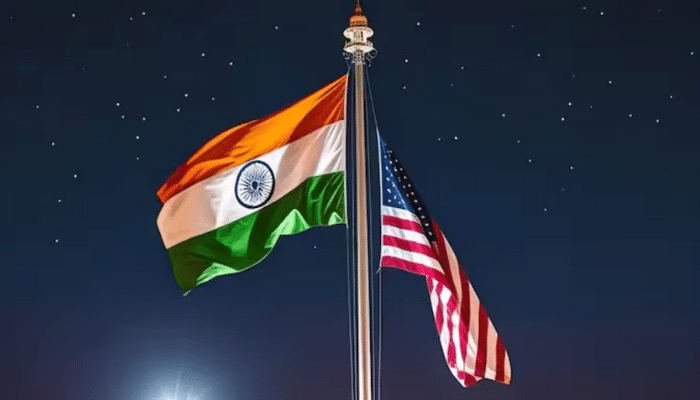
India-US Trade Pact Nears Completion Amid Tariff Challenges, Signals New Era of Economic Cooperation

India and the United States are approaching a landmark trade agreement. After months of discussions and multiple negotiation rounds, officials report that most major issues have been resolved. Negotiators are now reviewing the legal framework, while high US tariffs on Indian goods continue to pose challenges.
How Tariffs Are Affecting Indian Exports
In August, the US imposed 50% tariffs on select Indian goods. Half of these tariffs were penal measures linked to India’s energy imports from Russia. These duties caused Indian exports to the US to fall by 12% in September, even though overall exports rose.
Sectors such as steel, chemicals, and industrial products faced the biggest impact. Analysts warn that prolonged tariffs could disrupt supply chains and weaken India’s competitiveness in the American market. Negotiators are seeking solutions to balance economic priorities and geopolitical concerns.
Progress in Negotiations
Officials from both countries describe the talks as constructive. An Indian official stated, “Talks are progressing well. We are negotiating very positively and finding common ground on pending issues.” The official added that no major gaps remain, indicating that a deal is near completion.
Negotiations focus on practical matters such as market access, intellectual property, and trade facilitation. By addressing specific barriers rather than relying on blanket tariff cuts, the agreement aims to create stability for businesses in both nations.
A Tailored Approach to Trade
Unlike conventional free trade agreements, this pact adopts a customized framework. It focuses on resolving real trade bottlenecks instead of only reducing tariffs.
The agreement also aims to improve customs procedures, regulatory coordination, and cooperation in technology, pharmaceuticals, and renewable energy. This tailored approach reflects modern global trade trends, where flexible deals often offer more benefits than standard agreements.
Political Support and Strategic Context
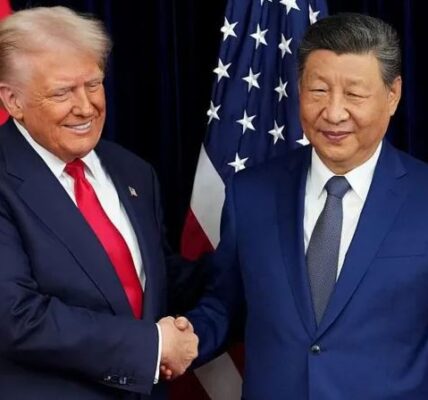
High-level political engagement has boosted the talks. US President Donald Trump said, “Just spoke to Modi today on trade. We’re working on some great deal with India.” He also mentioned that India “won’t be buying too much oil from Russia,” highlighting the role of energy and geopolitics in these negotiations.
These discussions are closely linked to broader strategic goals, including energy security, regional stability, and supply chain diversification. Both governments aim to ensure that the agreement supports commercial growth while aligning with wider policy priorities.
Constructive and Innovative Talks
Officials emphasize the innovative nature of the discussions. The pact targets procedural, legal, and regulatory barriers that have historically slowed trade.
It will include dispute resolution mechanisms, streamlined customs processes, and measures to promote investment and technological collaboration. If implemented effectively, the agreement could serve as a benchmark for future bilateral trade deals and provide immediate relief to exporters affected by tariffs.
Remaining Challenges
The 50% tariffs remain a major concern, especially the penal duties tied to Russian energy imports. These tariffs create uncertainty for Indian exporters. Negotiators must also finalize detailed legal texts to ensure smooth implementation. Resolving these issues will determine how quickly businesses can benefit from the improved trade terms.
Why the Deal Matters
A successful India-US trade pact could reshape economic and strategic ties between the two countries. It aims to:
- Boost Indian exports to the US, particularly in industrial goods, technology, and pharmaceuticals.
- Provide predictability and stability for businesses affected by tariffs.
- Strengthen cooperation in energy, technology, and investment.
- Align economic priorities with broader geopolitical interests.
The agreement represents more than just a trade deal. It signals a new era of economic partnership. By balancing commercial and strategic priorities, the pact could become a model for future bilateral agreements in a complex global trade environment.