
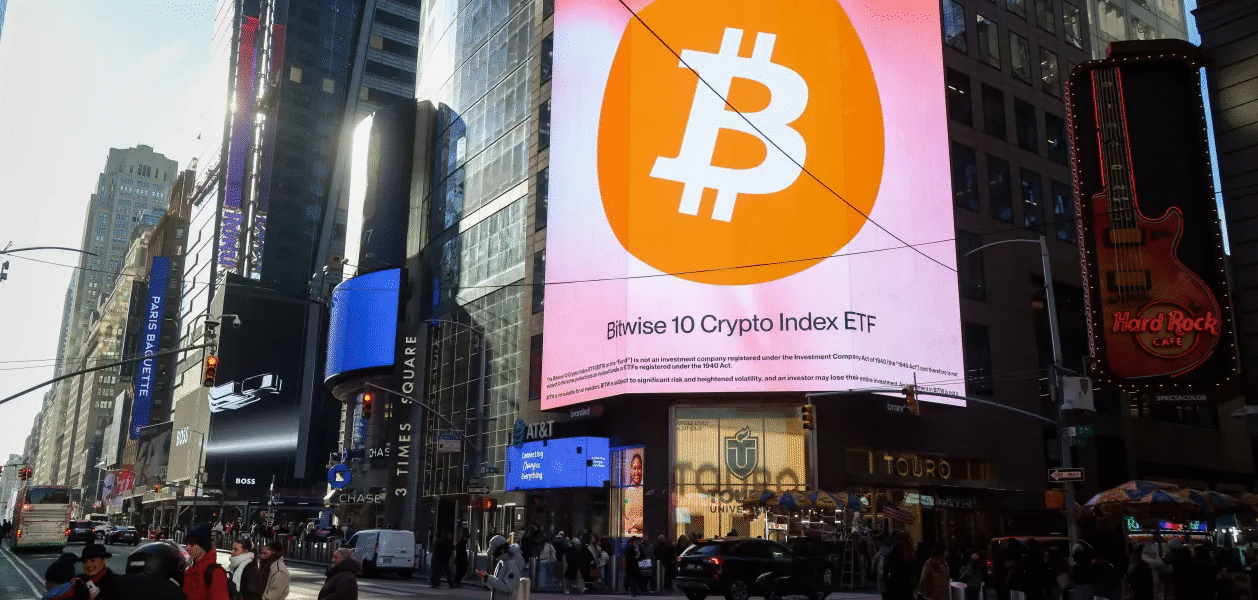


Bitcoin Price Crash Sparks Concerns
Bitcoin has plunged from its record high above $126,000 last October, losing nearly half its value. This sharp decline has fueled fears of another crypto winter, a prolonged slump similar to the 2022 FTX crash when Bitcoin fell from near $50,000 to $15,000. In the past month alone, Bitcoin is down more than 25%, shaking confidence in digital assets as a store of value.
ETF Flows Indicate Long-Term Investor Confidence
Despite recent volatility, Bitcoin ETFs show that long-term investors are not panicking. Over the past three months, the iShares Bitcoin Trust (IBIT) saw $2.8 billion in net outflows. While significant, the ETF attracted nearly $21 billion in net inflows over the past year. Overall, spot Bitcoin ETFs experienced $5.8 billion in net outflows in three months, but still posted $14.2 billion in net inflows over the past year. Experts say this pattern suggests short-term traders are reducing exposure, while long-term holders remain committed.
Hedge Funds and Speculators Drive Volatility
Much of the selling pressure comes from hedge funds and speculators using ETFs as liquid tools. Matt Hougan, CIO of Bitwise Asset Management, explains that long-term investors and financial advisors are not the primary sellers. Instead, crypto enthusiasts trimming positions accumulated over years are contributing to short-term volatility.
A Shift Toward Long-Term Crypto Investment
Industry leaders suggest that Bitcoin’s era of speculation is ending. Galaxy CEO Mike Novogratz predicts that returns will be more aligned with long-term investment expectations. Retail investors who expected high short-term gains may need to adjust their outlook. Meanwhile, Wall Street advisors are incorporating Bitcoin into diversified portfolios, using crypto ETFs to manage risk and maintain exposure.
Conclusion
Despite the recent Bitcoin price plunge, ETF flows indicate that long-term investor confidence remains strong. Outflows reflect short-term adjustments rather than widespread panic. As crypto markets evolve, ETFs are proving to be a key tool for managing volatility and supporting the growth of digital assets as a serious investment class.