

Introduction
Traffic congestion is a daily frustration for many commuters, especially in major cities. To address this challenge, Atlanta is testing a new transportation concept that could transform urban mobility. The project involves a driverless pod transit system designed to move passengers quickly without mixing with regular traffic.
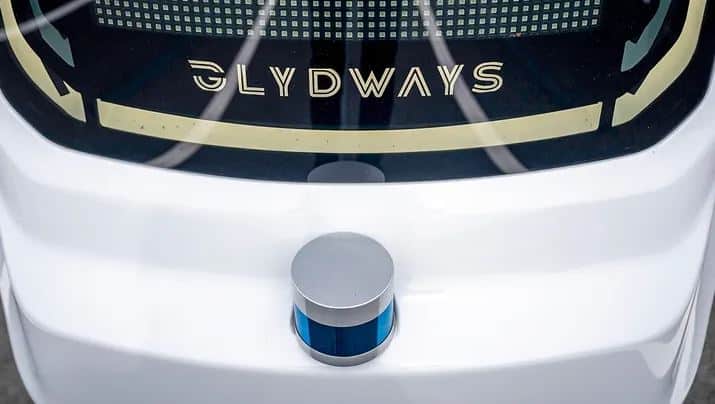
The pilot program will test the Glydways Automated Transit Network, a system of small electric pods running on dedicated guideways. Officials hope this innovative approach could reduce congestion, improve first and last mile connectivity and offer a faster alternative to traditional transit.
What Is the Atlanta Driverless Pod Transit Pilot
The pilot project will operate a 0.5 mile dedicated guideway connecting the ATL SkyTrain to the Gateway Center Arena near the airport area of Atlanta.
The system uses small electric autonomous pods that travel on a private narrow lane instead of regular roads. Passengers request rides through a mobile app and are picked up by a pod within minutes. Each trip moves directly from one destination to another without intermediate stops.
This design allows the pods to avoid traffic signals, congestion and road delays, potentially making the journey faster and more predictable.
How the Automated Transit Network Works
The Automated Transit Network uses artificial intelligence to coordinate vehicles operating on a dedicated guideway. Because the pods do not mix with regular traffic, they can travel in tightly spaced formations while maintaining consistent speeds.
According to the company behind the system, the guideway is slightly more than six feet wide but could still carry up to 10,000 passengers per hour if the system performs as expected. That level of capacity is comparable to some light rail systems.
The narrow infrastructure and lightweight vehicles are intended to reduce construction costs and make deployment faster than traditional rail projects.
Why South Metro Atlanta Was Chosen
The pilot is located in South Metro Atlanta, an area identified in a 2019 transportation study as a 24 hour mobility district with significant transit challenges.
Although public transportation options already exist near the airport, many commuters face first mile and last mile gaps when trying to reach workplaces, event venues or residential areas.
The pilot corridor connects the Georgia International Convention Center and the Gateway Center Arena, two locations that attract large numbers of visitors, workers and commuters.
Local agencies including MARTA, Fulton County and Clayton County are supporting the project to evaluate whether it could improve mobility in the region.
How Driverless Pods Differ From Robotaxis
Autonomous vehicles are already being tested on public roads in several cities. Companies such as Waymo operate robotaxis that drive through regular traffic using advanced sensors and artificial intelligence.
However, the Glydways system takes a different approach.
Instead of sharing roads with other vehicles, the pods operate on dedicated guideways that separate them from traditional traffic. This separation allows for more predictable travel speeds, closer vehicle spacing and potentially lower maintenance costs.
The result is a transportation model that sits between bus transit and rail systems, combining elements of both.
Can the Driverless Pod System Be Cost Effective
Cost is one of the most important questions surrounding the project. Traditional rail infrastructure often requires billions of dollars in construction and can take many years to complete.
The company behind the system claims its guideway infrastructure can be deployed faster and at a lower cost than traditional rail networks. Operational expenses may also be reduced because the vehicles are electric and fully autonomous, eliminating driver costs.
While the exact construction budget for the Atlanta pilot has not been disclosed, the goal is to operate the system at bus fare level pricing without requiring large government subsidies.
Timeline for the Atlanta Transit Pilot
Construction of the pilot corridor began in early 2026. Engineers are currently installing guideways, testing vehicles and preparing the automated control system.
The timeline for the project includes several phases.
Passenger testing is expected to begin in December 2026 with free rides offered to the public. The pilot program will collect operational data and rider feedback during its first year.
By 2027, transportation authorities plan to evaluate whether the system could expand to other parts of the Atlanta region.
Why This Transit Experiment Matters Globally
Traffic congestion is a growing challenge in cities worldwide. Urban populations continue to rise while road infrastructure struggles to keep pace.
The Atlanta pilot could serve as a global test case for the future of automated transit networks. If the system proves reliable and cost effective, other cities may adopt similar technologies.
The company has already explored potential projects in locations such as Dubai, Abu Dhabi, Tokyo, Florida, California and New York.
Conclusion
The driverless pod transit pilot in Atlanta represents a bold attempt to rethink urban transportation. By combining electric vehicles, dedicated guideways and AI coordination, the system aims to provide fast and efficient travel without adding more traffic to crowded roads.
If the project delivers on its promises, it could offer a scalable model for cities looking to reduce congestion and improve mobility. However, real world performance, cost efficiency and passenger adoption will ultimately determine whether this innovative transit solution becomes the future of urban transportation.