
How the Middle East War Could Impact the Global Economy Through Energy Prices and Trade Disruptions

Introduction
The escalating conflict in the Middle East is creating growing concern among economists, policymakers and global markets. Within days of the latest military escalation involving the United States, Israel and Iran, signs of economic stress have already begun appearing across global trade routes and energy markets.
Rising oil prices, disrupted shipping lanes and supply chain delays are emerging as early indicators that the conflict could have broader consequences for the global economy. Analysts warn that if the war continues for an extended period, it could increase inflation, disrupt trade flows and slow economic growth in multiple regions.
Why the Middle East War Matters for the Global Economy
The global economy is highly interconnected, and the Middle East plays a central role in energy supply and international trade routes. The region is responsible for a significant share of global oil and natural gas exports, making stability there critical for global markets.
Economists warn that prolonged instability could raise production costs for businesses worldwide. Higher transportation costs, increased fuel prices and disrupted supply chains could ultimately translate into higher prices for consumers.
The International Monetary Fund previously expected global economic growth to reach 3.3 percent in 2026. However, officials say it is still too early to determine whether the ongoing conflict will affect those projections.
Rising Energy Prices Are the Biggest Concern
Energy prices are at the center of the economic impact of the conflict. Oil prices have surged to their highest levels in more than eighteen months as markets react to fears of supply disruptions.
The biggest risk lies in the potential disruption of shipments through the Strait of Hormuz, one of the most important energy corridors in the world. This narrow waterway connects the Persian Gulf with global shipping routes and is responsible for transporting roughly one fifth of the world’s oil and liquefied natural gas.
If shipments through this route are significantly disrupted, energy markets could face shortages that push oil and gas prices even higher.
Financial analysts estimate that European natural gas prices could more than double if the strait remains blocked for more than two months.
How Higher Energy Prices Could Increase Inflation
Higher energy costs usually have a direct impact on inflation. Oil prices influence transportation, manufacturing and electricity generation, meaning that increases can spread across the entire economy.
In the United States, analysts estimate that inflation could rise from 2.4 percent at the beginning of 2026 to around 3 percent by the end of the year if oil prices remain elevated. This could complicate efforts by the Federal Reserve to reduce interest rates.
In Europe, economists suggest that inflation could increase by more than one percentage point if the conflict continues for several months. Higher prices could also reduce economic growth as businesses face rising operating costs.
Asia Could Face the Greatest Economic Pressure
Asian economies are particularly vulnerable to disruptions in Middle Eastern energy supplies. A large portion of the oil and natural gas transported through the Strait of Hormuz is destined for Asia.
Countries such as China, Japan, South Korea and India rely heavily on imported energy to support their industrial sectors. Higher oil prices could therefore increase production costs and inflation across the region.
The conflict comes at a challenging moment for China, which recently announced one of its lowest economic growth targets in decades.
Economic analysts suggest that inflation across many Asian economies could increase by around half a percentage point if current oil prices remain elevated.
Supply Chain Disruptions Are Already Emerging
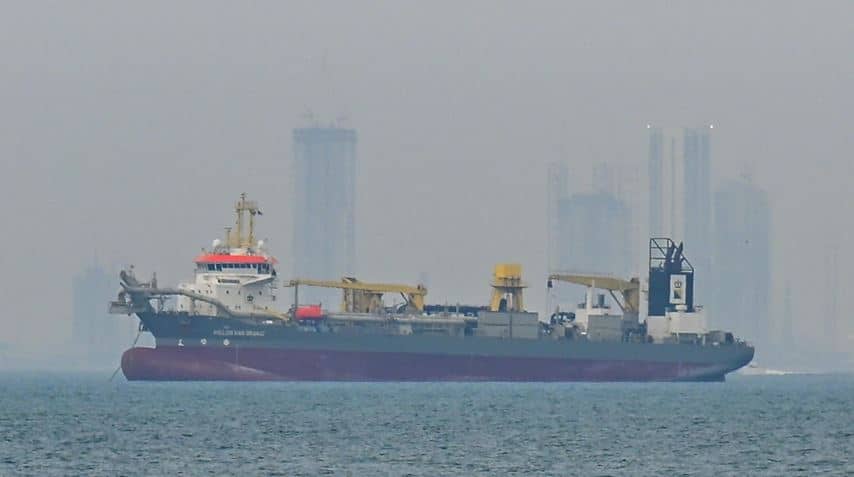
Beyond energy markets, the conflict is also beginning to disrupt global supply chains. Shipping companies are adjusting routes to avoid potential risks in the region, while some carriers have temporarily suspended services to parts of the Middle East.
These disruptions are causing congestion at ports and delays in shipments. Containers bound for Middle Eastern destinations are already beginning to accumulate at ports in India.
The longer the conflict continues, the greater the chance that global shipping networks could face capacity shortages and logistical bottlenecks.
India’s Rice Exports Highlight the Trade Impact
India is already experiencing some of the economic consequences of shipping disruptions. More than 400,000 metric tons of basmati rice meant for export are currently stuck at Indian ports or in transit.
The Middle East represents a key market for Indian rice exports, accounting for about 75 percent of the country’s annual basmati shipments. If the conflict disrupts shipping routes for an extended period, exporters could face significant financial losses.
This situation highlights how regional conflicts can quickly affect global agricultural trade.
Fertilizer Supply Could Affect Global Food Production
Another major concern involves fertilizer shipments moving through the Middle East. Fertilizers are essential for global agriculture, and disruptions in supply could affect food production worldwide.
Approximately one third of global exports of urea fertilizer pass through the Strait of Hormuz. In addition, the Middle East is a major source of sulphur and other raw materials used in fertilizer production.
Prices are already responding to the disruption. Egyptian urea prices have increased by about 35 percent within a week, reflecting market concerns about supply shortages.
Air Cargo and Shipping Networks Under Pressure
The conflict is also affecting air cargo operations. Restricted airspace and grounded aircraft in parts of the Middle East are reducing global cargo capacity.
Airlines based in the region play a major role in global logistics, accounting for around 13 percent of worldwide air cargo capacity. These carriers transport high value goods including electronics, smartphones and semiconductors.
If disruptions continue, businesses may face delays in receiving important components used in manufacturing and technology production.
What Could Happen If the War Continues
The long term economic consequences of the conflict will depend largely on its duration and intensity. A short conflict may cause temporary volatility without major long term effects.
However, a prolonged war that disrupts energy exports or shipping routes could create sustained inflation and slower economic growth.
Businesses, governments and financial institutions are closely monitoring the situation because global markets remain sensitive to geopolitical shocks.
Conclusion
The Middle East conflict has already begun affecting energy markets, shipping networks and agricultural supply chains within its first week. Rising oil prices, disrupted shipping routes and delayed exports show how quickly regional instability can influence the global economy.
If the conflict continues for months, economists warn that inflation could rise, supply chains could face further disruptions and global economic growth could slow. The stability of key energy corridors and trade routes will play a crucial role in determining the scale of the economic impact.