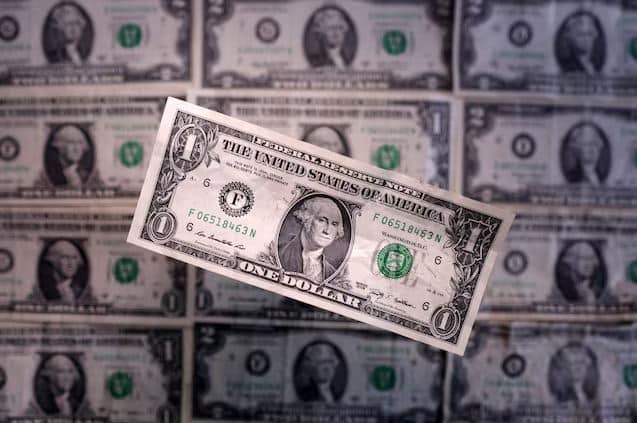

The U.S. dollar strengthened for a third consecutive day as volatile energy prices pushed global inflation concerns back into focus. Currency markets reacted sharply to the surge in oil and natural gas prices triggered by the escalating conflict in the Middle East, prompting investors to reconsider expectations for central bank interest rate policies.
Market participants are increasingly shifting capital toward the dollar as a safe haven asset while global growth risks intensify.
Why the U.S. Dollar Is Strengthening
The U.S. dollar moved closer to its strongest level of 2026 as investors responded to rising energy costs and geopolitical uncertainty linked to the Iran conflict. The greenback has gained more than 1.5 percent against a basket of major currencies and remains near its highest level since November.
Two factors are driving the rally. First, the United States benefits from being a net energy exporter, which reduces its vulnerability to rising oil prices. Second, investors tend to favor the dollar during periods of global instability because it is considered a safe haven currency.
Currency strategists note that energy price shocks often trigger sharp adjustments in foreign exchange markets, especially when large energy importing regions face higher import bills.
Which Currencies Are Losing Ground
The currencies of major energy importing economies have weakened the most since the start of the U.S. and Israeli conflict with Iran.
Key currency movements include:
- The Indian rupee and Japanese yen have fallen more than 1.5 percent against the dollar
- The euro has declined roughly 2 percent
- The South Korean won has dropped about 3 percent
The euro traded around $1.1558, close to its lowest level since November, reflecting the eurozone’s heavy reliance on imported energy.
Currency strategists say the euro often weakens significantly when energy prices spike. Analysts estimate the euro typically loses about 0.5 percent for every 10 percent rise in oil prices and as much as 2.5 percent when natural gas prices double.
The British pound also weakened slightly, trading around $1.338 and hovering close to its lowest level of the year.
How Oil Prices Are Driving Inflation Concerns
Energy prices remain the primary catalyst behind the recent currency volatility. Brent crude briefly surged above $101 per barrel as markets reacted to supply risks stemming from the Iran conflict.
The price spike came despite the International Energy Agency announcing a release of 400 million barrels of strategic reserves to stabilize global energy markets.
At the same time, European natural gas prices have climbed nearly 70 percent since the conflict began and briefly doubled during the first few days of the escalation.
Economists warn that sustained increases in energy prices could slow global growth while simultaneously reigniting inflation pressures that central banks had hoped were easing.
What Central Banks May Do Next
Rising inflation risks are forcing traders to rethink the outlook for global interest rates.
Financial markets now expect the European Central Bank to potentially raise interest rates sooner than previously forecast, with June emerging as a possible timeline for tightening policy.
Meanwhile, expectations for interest rate cuts by the U.S. Federal Reserve have shifted later into the year. Market pricing now suggests the Fed may wait until September before reducing borrowing costs.
These changing expectations reflect the concern that higher energy costs could keep inflation elevated longer than policymakers anticipated.
How Geopolitics and Trade Tensions Are Affecting Markets
Geopolitical uncertainty remains another key driver of currency movements. The ongoing conflict involving Iran has created fears of prolonged disruption to global energy supply routes.
At the same time, investor sentiment has been weakened by renewed trade tensions after the U.S. administration launched a fresh investigation into industrial capacity across 16 major trading partners. The move could potentially lead to new tariffs and renewed pressure on global trade flows.
Additional market anxiety has emerged from the private credit sector after warnings that default rates could increase in the coming years, raising concerns about financial stability in leveraged lending markets.
What Investors Are Watching Now
Investors are closely monitoring three critical developments that could shape global markets in the coming weeks.
The first is the trajectory of the Middle East conflict and its impact on global energy supply. The second is the response from central banks as inflation risks rise again. The third is the potential escalation of trade disputes that could further disrupt global economic growth.
Currency markets remain highly sensitive to these developments, meaning volatility is likely to persist as investors reassess risk across global assets.