Prime Minister of the United Kingdom: Leadership and Economic Influence

The Prime Minister of the United Kingdom is the head of government of the United Kingdom and one of the most influential political leaders in the modern world. As the chief architect of domestic policy, economic strategy, and international engagement, the prime minister plays a pivotal role not only in shaping the economic trajectory of the UK but also in influencing global economic systems through international diplomacy and multilateral cooperation.
Origins and Institutional Authority
The office of the prime minister evolved organically in the 18th century, with Sir Robert Walpole widely regarded as the first prime minister in practice. While the position is not established by a single constitutional document, it has become deeply embedded in Britain’s democratic governance structure through convention and longstanding practice.
Unlike some heads of government with clearly codified powers, the UK prime minister operates within a constitutional framework defined by convention, parliamentary confidence, and political authority wielding significant influence over legislation, policy direction, and economic priorities.
Executive Leadership and Economic Direction
As leader of His Majesty’s Government, the prime minister is ultimately responsible for the UK’s national policies and strategies. This includes shaping fiscal and economic policy in coordination with the Chancellor of the Exchequer and Cabinet ministers, guiding the country’s response to economic challenges such as inflation, labor markets, public finances, and industrial productivity.
In practical terms, the prime minister:
- Oversees the Civil Service and government operations, ensuring coherent policy implementation across departments.
- Appoints senior ministers and Cabinet members, constructing a team that executes economic strategy at national and sectoral levels.
- Guides legislative priorities in the House of Commons, influencing laws affecting trade, investment, taxation, and regulation.
This central role makes the prime minister a primary driver of economic leadership in the UK, with authority to prioritize economic growth, competitiveness, employment, and sustainable development.
Economic Policy and Domestic Influence
The UK prime minister shapes economic policy through strategic leadership of the government’s agenda, often setting the tone for major fiscal measures, labor reforms, and investment incentives. Policy initiatives may focus on:
- Stimulating innovation and technological advancement
- Attracting domestic and foreign investment
- Reforming public services and infrastructure
- Boosting productivity across key industries
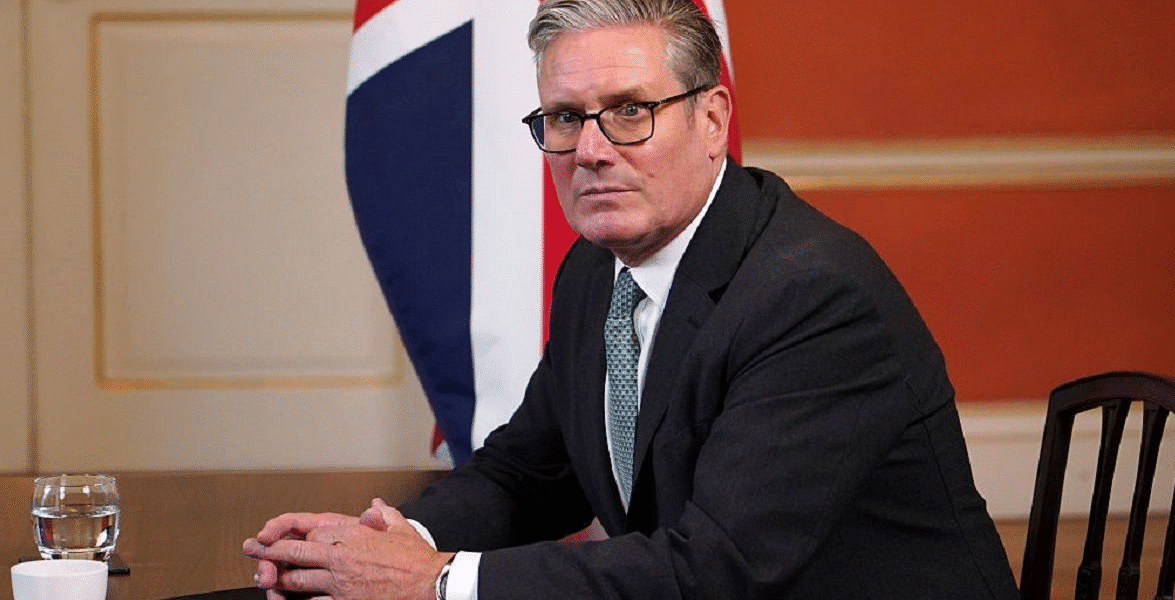
For instance, current developments under Prime Minister Keir Starmer include promoting job growth, advancing clean energy initiatives, and implementing fiscal measures to support public services, reflecting active governmental engagement in domestic economic reform and social investment.
International Economic Influence
Beyond domestic policy, the prime minister significantly impacts global economic relations. The UK is a founding member of major international economic forums such as the G7, G20, and NATO, where the prime minister represents British interests, negotiates trade agreements, and contributes to international economic stability.
In the post‑Brexit era, the prime minister’s role in trade diplomacy has become especially vital, with the UK seeking new bilateral and multilateral trade deals to diversify market access and strengthen economic partnerships including agreements with major partners such as India and other Commonwealth nations.
Through international summits, bilateral negotiations, and economic stewardship, the prime minister’s leadership enables the UK to influence global economic norms and maintain a competitive presence in international markets.
Historical Impact on Economic Leadership
Over its history, the office of the prime minister has produced leaders whose policies have had far‑reaching economic consequences. From the market‑liberal reforms under Margaret Thatcher to the fiscal modernization and welfare reforms of Tony Blair, prime ministers have reshaped the UK’s economic landscape in response to changing global and domestic conditions.
This historical continuity underscores the office’s centrality in balancing political leadership with economic management, making the prime minister one of the most important figures in global economic leadership.
Modern Challenges and Strategic Priorities
Today’s prime ministers face complex economic challenges including post‑pandemic recovery, climate change adaptation, trade realignment, and technological disruption. The prime minister’s ability to navigate these issues through coherent policy strategies and diplomatic engagement directly affects national prosperity and global competitiveness.
As the UK continues to adapt to shifting geopolitical dynamics and economic trends, the prime minister’s leadership remains a defining force in shaping both the domestic economic environment and the country’s global economic influence.