
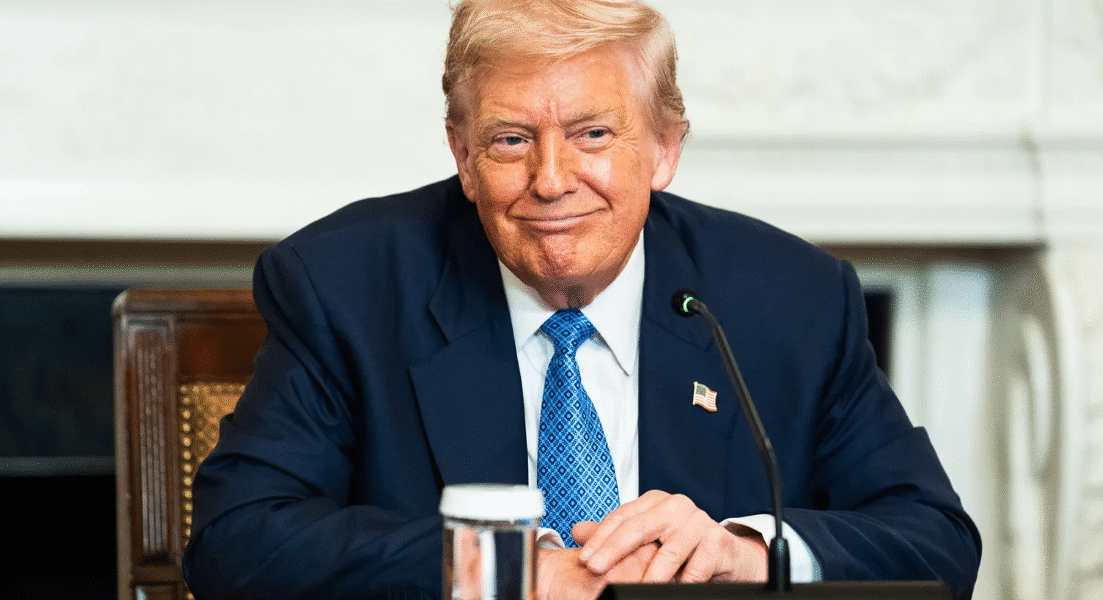

The President of the United States (POTUS) is the head of state and head of government of the United States of America, serving as one of the most powerful political and economic leaders in the world. The office combines constitutional authority, executive leadership, and global influence, making it central to shaping domestic policy, international trade, innovation ecosystems, and economic strategy.
Overview and Constitutional Authority
The U.S. presidency was established by the U.S. Constitution in 1789 as the chief executive of the federal government. The President’s powers derive from constitutional mandates, legislative delegations, and historical precedents, enabling the occupant to enforce laws, steer economic policy, and represent the nation on the global stage.
Leadership Roles with Economic Significance
The office of the President encompasses multiple roles, each with substantial economic influence:
Chief Executive and Economic Strategist
As chief executive, the President oversees the executive branch of government, setting regulatory priorities that affect markets, industries, and national economic performance. The executive branch — including federal agencies such as the Department of the Treasury, Department of Commerce, and the Securities and Exchange Commission — implements policies that shape business environments, financial systems, and labor dynamics.
Economic Leader and Fiscal Policy Director
One of the most consequential roles of the POTUS is being the nation’s economic leader:
- Fiscal Policy: The President proposes the annual federal budget to Congress, outlining taxation, spending priorities, and investment strategies that influence economic growth, infrastructure development, and public services.
- Regulatory Impact: Through executive actions and regulatory guidance, the President can adjust rules affecting banking, trade, energy, technology sectors, and financial markets.
- Crisis Response & Market Confidence: During economic downturns or financial crises, presidential leadership plays a pivotal role in shaping public confidence and policy responses that can stabilize markets and stimulate recovery.
These duties position the President as a central figure in influencing unemployment, inflation, investment climates, and long‑term economic trajectories.
Global Trade and Diplomatic Leadership
The President also serves as the chief representative of the U.S. in international economic forums and negotiations. Though major trade agreements typically require Congressional approval, the executive branch sets strategic direction and engages foreign counterparts to advance U.S. trade interests and global economic partnerships.
Trade policy including the negotiation of treaties, tariff adjustments, and economic sanctions directly affects domestic industries and cross‑border commerce. These decisions influence global supply chains, international investment, and competitive positioning in emerging sectors like technology and energy.
Influence on Innovation and Technological Leadership
U.S. presidential administrations frequently shape national innovation ecosystems via public funding, strategic initiatives, and regulatory frameworks. Policies affecting research and development, biotechnology, artificial intelligence, clean energy, and digital infrastructure help determine the United States’ competitiveness in the global economy.
Experts emphasize that technological leadership is a key factor in economic power, noting how U.S. innovation policy continues to attract capital, talent, and growth opportunities across sectors.
Executive Authority and Economic Direction
The President can issue executive orders, directives that influence how federal agencies operate, and set economic priorities without direct legislative action. In recent administrations, executives have used this authority to address trade imbalances, direct industrial policy, and manage federal spending priorities illustrating the broad scope of presidential influence.
Symbolic and Leadership Influence
Beyond formal powers, the President serves as a symbol of national unity and economic confidence. Presidential speeches, strategic communications, and public engagements influence consumer confidence, investor sentiment, and market expectations, making the office both a practical and psychological driver of economic trends.
Historical Evolution of Economic Influence
Over U.S. history, the role of the President in economic leadership has evolved significantly. Early Presidents exercised limited direct economic power, but modern administrations have taken increasingly active roles in shaping fiscal and regulatory policy, leading economic diplomacy, and steering innovation agendas. This evolution reflects shifts in global economic integration, technological change, and geopolitical competition.