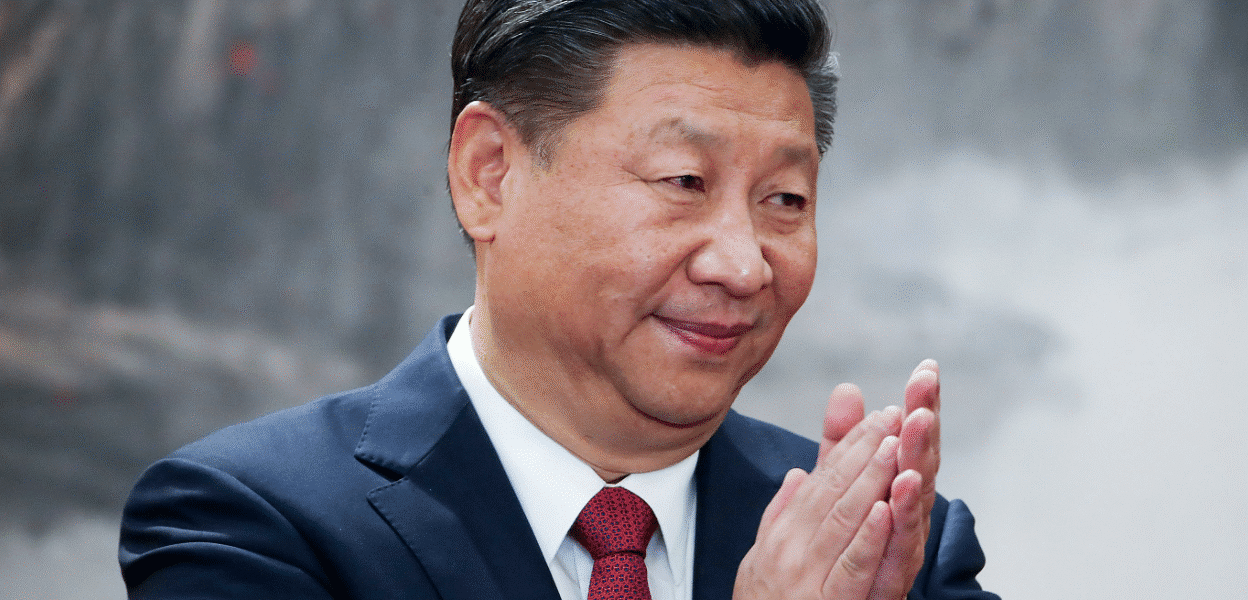

Xi Jinping (Chinese: 习近平) is the paramount leader of the People’s Republic of China, serving as General Secretary of the Communist Party of China (CPC), President of the People’s Republic of China, and Chairman of the Central Military Commission positions that place him at the apex of political, military, and economic power in the world’s second‑largest economy. His leadership profoundly shapes China’s economic strategy, global trade influence, technological innovation policies, and international economic diplomacy, making him one of the most consequential economic leaders of the 21st century.
Early Life and Political Rise
Born on June 15, 1953, Xi Jinping rose through the ranks of the CPC via provincial leadership roles in Fujian, Zhejiang, and Shanghai before entering the Politburo Standing Committee, China’s top decision‑making body. His political career reflects both a consolidation of power and a strategic positioning to influence China’s domestic governance and global economic posture.
Leadership Style and Political Consolidation
Xi’s tenure has been marked by strong centralization of authority, extensive anti‑corruption campaigns, and a reshaping of party and state institutions. These measures have strengthened policy coherence across economic planning, technological development, and foreign economic engagement. Analysts observe that Xi’s control over personnel appointments and economic policymaking forums has enabled him to directly shape China’s economic trajectory in an increasingly competitive global environment.
Economic Thought and Strategic Agenda
Xi Jinping has championed multiple economic slogans and frameworks that define China’s modern development strategy:
- High‑Quality Development: Promoted as a shift away from purely quantity‑based growth to innovation‑driven, efficient, and sustainable economic expansion, emphasizing modern industrial systems, coordinated regional development, and opening up to global markets.
- New Normal: Signaling a recognition of slower but more balanced economic growth, prioritizing structural reform over rapid GDP expansion.
These strategic paradigms underscore a long‑term vision of transforming China into a leading economic power built on technological innovation, environmental sustainability, and advanced infrastructure.
Domestic Economic Leadership
Under Xi’s leadership, China has pursued ambitious economic initiatives aimed at reshaping domestic markets and strengthening state‑market synergy. China’s economic governance in this period has included managing industrial overcapacity, addressing market inefficiencies, and improving regulatory frameworks to encourage quality production. Xi has also pressed for the “orderly exit” of outdated capacity to eliminate unproductive sectors and promote a modern economic structure.
Xi has repeatedly underscored the importance of China’s private sector by engaging directly with business leaders including executives from major technology firms signaling a pragmatic shift toward inclusive economic messaging to bolster innovation and investment confidence.
Technological and Industrial Modernization
A central pillar of Xi’s economic influence is China’s drive toward technological self‑sufficiency. Prioritizing advanced sectors such as artificial intelligence (AI), 5G, semiconductors, and clean energy technologies, China aims to reduce dependency on foreign technology while building competitive advantages in critical industries.
Global Economic Diplomacy
Xi Jinping has actively positioned China as a key actor in global economic governance. Through initiatives such as the Belt and Road Initiative (BRI) a trillion‑dollar infrastructure and investment program spanning over 140 countries China has expanded its economic reach, strengthened trade corridors, and created new partnerships that enhance its global influence. This strategic use of economic statecraft reinforces China’s role in shaping international trade and development patterns.
China under Xi has also emphasized cooperation with regional partners, especially in Asia, advocating deeper trade ties, investment links, and economic resilience strategies in the face of global uncertainties.
International Forums and Economic Policy Leadership
Xi Jinping regularly represents China at key global economic forums such as the G20 Summit, where he advocates for multilateral cooperation, fair economic governance, and global trade stability. His speeches often highlight themes of shared prosperity, sustainable development, and inclusive growth.
Impact and Legacy
Xi’s leadership has had transformative effects on China’s economy, political economy, and global economic influence. His strategic vision characterized by strong state coordination, technological modernization, and expanded global engagement continues to shape China’s position as an economic superpower. The enduring impact of his policies is evident in China’s industrial evolution, international trade prominence, and role in global economic governance.