
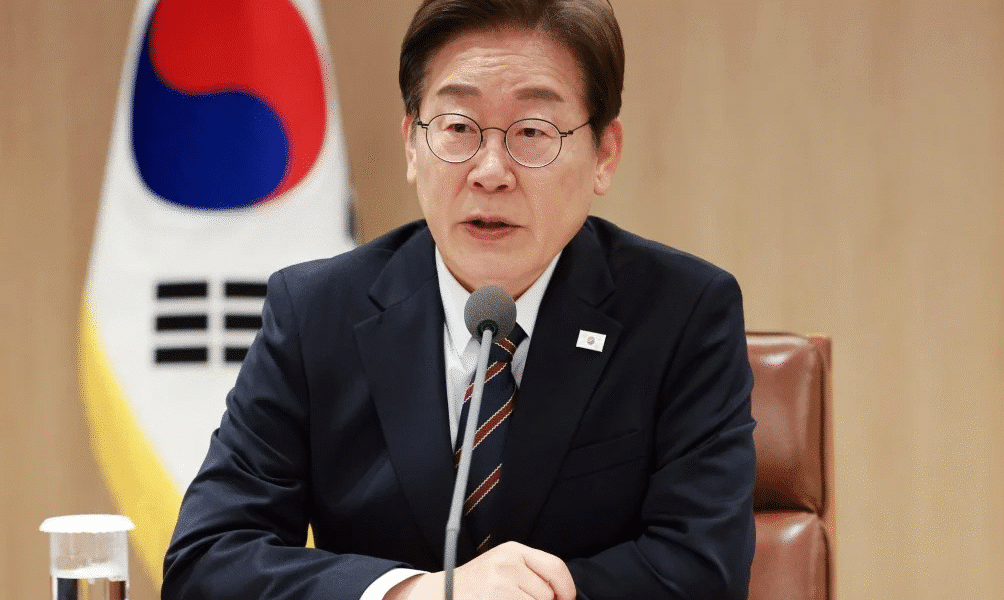
The Role of the President of South Korea: Leadership and Economic Influence

The President of South Korea, officially known as the President of the Republic of Korea, is the highest authority in the country, serving as both the head of state and head of government. This dual role grants the president extensive powers, making the office central to South Korea’s political, social, and economic development. The president also serves as the commander-in-chief of the armed forces, reinforcing the position’s national and international significance.
Historical Background of the Presidency
The office of the president was established on July 24, 1948, following the adoption of the Constitution of South Korea, with Syngman Rhee becoming the first president. Since then, the presidency has evolved, balancing democratic governance with strong executive authority. The historical trajectory of the office reflects South Korea’s transformation from a war-torn nation to a global economic powerhouse.
Powers and Duties
The president holds broad executive powers, including:
- Setting national policy and economic strategy.
- Appointing key government officials, including the Prime Minister and cabinet members.
- Representing South Korea in international economic forums such as the G20, APEC, and OECD.
- Directing foreign policy and trade negotiations, crucial for South Korea’s export-driven economy.
Term Limits and Elections
The president is directly elected by the people for a five-year term, with no possibility of reelection. This system emphasizes accountability and ensures periodic renewal of leadership, impacting both domestic governance and economic policymaking. South Korea’s electoral process is a significant driver of policy shifts, particularly in areas affecting business, trade, and investment.
Economic Leadership
Beyond political authority, the president plays a pivotal role in shaping the national economic agenda. Presidential policies influence:
- Investment climate and foreign direct investment (FDI) inflows.
- Technological innovation and digital economy growth.
- Labor markets and industrial development.
- International trade and export strategies.
By aligning government priorities with market needs, the president’s office directly affects South Korea’s global competitiveness, making it a key influencer in East Asian and global economic trends.
Post-Presidency and Legacy
Former presidents continue to wield influence through advisory roles, think tanks, or international diplomatic engagement. Their economic policies often leave lasting impacts on sectors such as manufacturing, technology, and finance, shaping the business environment long after their term concludes.
Presidential Symbols and Institutions
The Presidential Residence (Cheong Wa Dae) and the Office of the President in Seoul symbolize authority and stability. The president is supported by constitutional bodies such as the State Council, National Security Council, and the National Unification Advisory Council, which coordinate policy across governance and economic domains.