
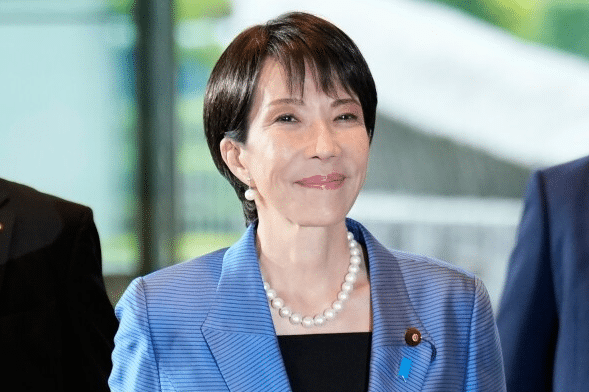

The Prime Minister of Japan (内閣総理大臣, Naikaku Sōri‑Daijin) is the head of government of Japan, responsible for guiding national policy, overseeing the executive branch, and shaping Japan’s economic direction. As the leader of one of the world’s largest economies, the prime minister holds significant influence over fiscal planning, industrial strategy, international trade diplomacy, and economic innovation. This leadership position plays a central role in Japan’s economic resilience, global competitiveness, and strategic positioning in global markets. The office’s influence extends beyond domestic management to international economic forums and bilateral economic partnerships.
Historical Development and Constitutional Basis
Japan’s modern prime ministership emerged during the Meiji Era and was formally codified after World War II under Japan’s postwar constitution. Unlike purely executive systems with strong presidential authority, Japan’s prime minister operates within a parliamentary structure, where leadership depends on the confidence of the National Diet (parliament). The prime minister is appointed by the Diet and is typically the leader of the majority party or coalition, currently dominated by the long‑standing Liberal Democratic Party (LDP).
The position evolved from earlier political eras; for example, the Yoshida Doctrine shaped Japan’s postwar economic focus by prioritizing economic development while relying on security alliances laying the groundwork for economic diplomacy and international trade emphasis that continues today.
Executive Responsibilities and Economic Leadership
As head of government, the prime minister has broad executive and policy influence:
- Policy Direction: The prime minister sets and articulates national economic priorities, working with the Cabinet and coordinating ministries such as the Ministry of Finance and the Ministry of Economy, Trade, and Industry.
- Fiscal Strategy: Although Japan’s annual budget must be approved by the Diet, the prime minister’s leadership directly influences fiscal priorities, tax policy, public investment plans, and economic stimulus measures.
- Cabinet Appointments: The prime minister appoints and can dismiss ministers, shaping the team that administers economic, financial, and industrial policy nationwide.
- International Representation: The prime minister represents Japan in global economic forums such as the G7 and G20, influencing global policy discussions on trade, supply chains, innovation, and investment.
Through these mechanisms, the office steers Japan’s economic agenda, balancing growth, stability, and structural reform.
Modern Economic Policy and Strategic Priorities
Prime ministers in Japan have advanced distinct economic visions that impact both domestic markets and global relations:
- “New Form of Capitalism” Under former Prime Minister Fumio Kishida, the government promoted a strategy aimed at creating a “virtuous cycle of growth and distribution,” encouraging wage increases, private investment, and collaboration with the private sector to boost innovation and living standards.
- Targeted Public Investment Initiatives The current administration of Prime Minister Sanae Takaichi, Japan’s first woman prime minister, has launched proactive economic plans, including the establishment of a dedicated economic strategy headquarters to support investments in sectors such as semiconductors, artificial intelligence, shipbuilding, aerospace, and defense.
- Fiscal Stimulus and Growth Packages Takaichi’s government also unveiled a large economic stimulus package, marking one of Japan’s most significant public spending efforts in recent years to reinforce economic resilience and enhance income, corporate performance, and consumer confidence
These strategic priorities illustrate how the prime minister’s leadership informs economic performance, sectoral focus, and fiscal discipline all crucial for investor confidence and long‑term economic direction.
Domestic Economic Influence
Domestically, the prime minister shapes policies that affect business environments, labor markets, innovation ecosystems, and public services. Japan’s economy faces structural challenges such as a declining population, deflationary pressures, and global competition, requiring adaptive policies that blend fiscal stimulus, regulatory reform, and strategic investment. By guiding the Cabinet’s economic agenda and negotiating legislation with the Diet, the prime minister plays a central role in directing national economic reforms.
Additionally, prime ministers work closely with business federations such as Keidanren (Japan Business Federation) to align government and private sector strategies a critical factor in shaping wage negotiations, corporate investment decisions, and efforts to boost productivity in key industries.
Global Economic Leadership and Diplomacy
The prime minister represents Japan on the world stage, using diplomatic platforms to promote trade, investment partnerships, and economic development initiatives. Japan’s participation in agreements like the Comprehensive and Progressive Agreement for Trans‑Pacific Partnership (CPTPP) and strategic cooperation with countries across Asia, Europe, and Africa enhances its economic influence. For example, past Japanese prime ministers proposed economic zones linking the Indian Ocean to Africa, reflecting a vision for expanded trade connectivity and investment partnerships.
In global forums, Japan’s prime minister advocates for open markets, innovation‑driven growth, and cooperation on economic challenges such as supply chain resilience, energy transition, and technology standards. This diplomatic economic leadership reinforces Japan’s position as a key economic power and investor in global development.
Contemporary Leadership Dynamics
Political dynamics in Japan, including leadership changes and internal party realignments, can influence economic policy continuity and investor perceptions. Frequent changes at the prime ministerial level have historically been associated with policy uncertainty, making strategic prioritization and long‑term economic planning even more essential for sustained economic growth and global trust.