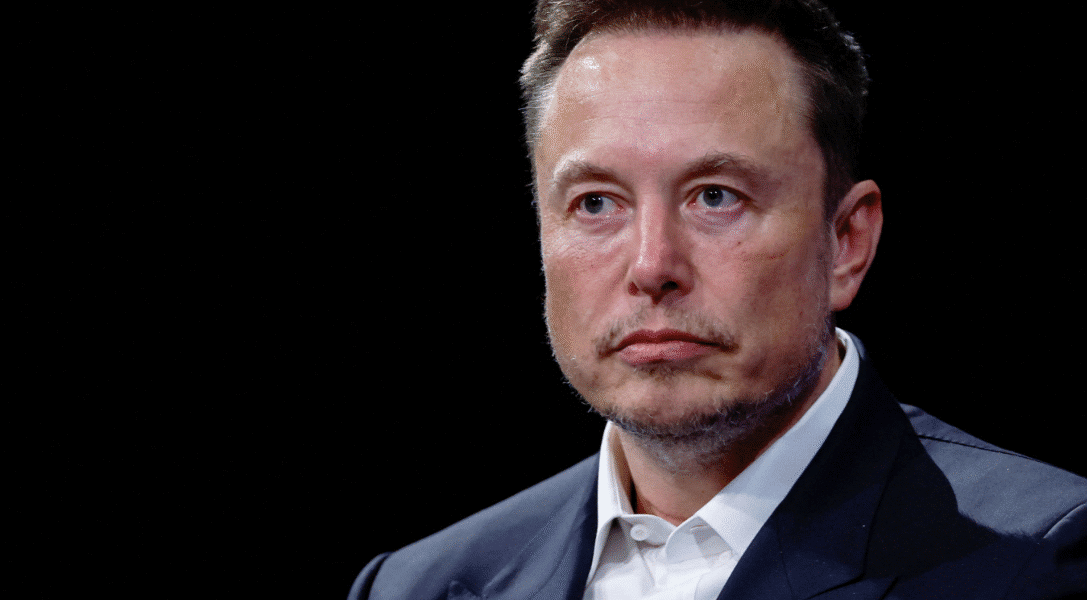

Elon Reeve Musk is a business magnate, engineer, and entrepreneur whose leadership in technology, space exploration, electric vehicles, and artificial intelligence has made him one of the most influential economic figures of the 21st century. As the driving force behind companies like Tesla, SpaceX, Neuralink, The Boring Company, X (formerly Twitter), and xAI, Musk has reshaped industries, driven significant economic growth, and altered global competitive dynamics in multiple sectors.
Early Life and Entrepreneurial Beginnings
Born on June 28, 1971, in Pretoria, South Africa, Musk emigrated first to Canada and later to the United States to pursue education and entrepreneurial opportunities. He earned degrees in Economics and Physics, which laid a foundation for his interdisciplinary approach to solving complex technological and economic challenges.
Musk’s early ventures included Zip2, one of his first startups that provided business directories and maps for newspapers. Following its sale, he co‑founded PayPal, which became a foundational business in online payments and was acquired by eBay in 2002 securing Musk early capital to fund future ventures.
Leading Major Technology Enterprises
Tesla, Inc. – Revolutionizing the Automotive Industry
Musk joined Tesla in 2004 and transformed an electric car startup into the world’s leading electric vehicle (EV) manufacturer. Under his leadership, Tesla popularized EVs globally, catalyzed massive investment in battery tech and renewable energy products, and helped push traditional automakers to compete in decarbonization.
A recent ruling by the Delaware Supreme Court reinstated Musk’s 2018 Tesla pay package now potentially worth up to $1 trillion if performance goals are met underscoring both confidence in his strategic leadership and the economic stakes tied to Tesla’s growth trajectory.
SpaceX – Redefining Space and Infrastructure
As founder and chief engineer of SpaceX, Musk has dramatically reduced the cost of space launch systems with reusable rockets and expanded commercial spaceflight capabilities. SpaceX’s valuation has soared in recent years, significantly contributing to Musk’s net worth and transforming the global space economy.
Analysts estimate Musk’s ownership stakes in SpaceX and Tesla have helped propel his net worth into the hundreds of billions, as he continues to innovate in sectors ranging from satellite internet to Mars colonization aspirations.
Neuralink, The Boring Company, and AI Ventures
Beyond automotive and aerospace, Musk has launched ventures like Neuralink (neurotechnology) and The Boring Company (infrastructure tunneling). He also co‑founded OpenAI and more recently established xAI, a move indicating his strategic positioning in the rapidly evolving field of artificial intelligence.
His AI startup xAI notably acquired social media platform X in 2025 and later announced ambitious plans to integrate advanced AI tools into public platforms, reflecting Musk’s vision for AI’s economic role in global information ecosystems.
Economic Influence and Global Market Impact
Net Worth and Wealth Leadership
Musk’s economic influence is underscored by his extraordinary wealth. Multiple financial estimates place his net worth well over $600 billion, making him the richest individual in the world. His personal fortune fueled largely by equity in Tesla and SpaceX rivals or surpasses the GDP of many countries.
This wealth not only reflects personal success but also signifies the economic weight of his enterprises across sectors like automotive manufacturing, commercial spaceflight, artificial intelligence, and digital media.
Industry Disruption and Innovation Ecosystems
Musk’s companies have driven sweeping industry disruption:
- Electric vehicle adoption accelerated globally due to Tesla’s market success.
- Reusable launch systems pioneered by SpaceX reshaped aerospace economics.
- AI and digital infrastructure initiatives transform how information and computation are integrated into everyday products and services.
These innovations stimulate capital inflows, influence labor markets, and generate complementary industries, from battery technologies to AI‑driven services.
Leadership Style and Strategic Vision
Musk’s leadership is characterized by bold vision, risk tolerance, and rapid iteration across technologies. His approach blends engineering rigor with market disruption strategies, enabling firms under his leadership to push boundaries and redefine standards in their sectors.
Despite his achievements, Musk remains a polarizing figure, drawing both praise for innovation and criticism for controversial public statements and political stances.
Global Economic Policy and Public Engagement
Musk’s influence extends beyond private enterprise. In early 2025, he held a senior advisory role in the U.S. government under President Donald Trump, emphasizing efficiency and strategic technological governance a rare intersection of private sector leadership and public economic policy influence.
He regularly engages in public discourse on economic systems, sometimes controversially offering high‑profile incentives (such as a $1 billion offer to Wikipedia to change its name) that highlight his media influence and the economic spotlight around his statements.
Summary: Musk’s Enduring Economic Influence
Through his leadership of major technology and industrial enterprises, Elon Musk has become a central figure in the global economic landscape. His strategies and innovations continue to:
- Drive new markets and disrupt established industries
- Shape investment flows into EVs, space, AI, and infrastructure
- Inspire entrepreneurial ecosystems worldwide
- Influence public policy and economic debates
As a visionary entrepreneur and economic leader, Musk’s impact spans far beyond his companies, contributing to broader dialogues on innovation, economic modernization, and technological leadership.